[ FISH ]

CLOWNFISH - DOTTYBACKS - GOBIES & BLENNIES - CARDINALFISH - SEAHORSES - OTHERS

DOTTYBACKS (Family: Pseudochromidae)

Dottybacks are a group of small, colorful basslet-like fish that inhabit the crevices and small caves of the coral reef. They have been popular with aquarists since the advent of reef tanks. ORA currently cultures five species of this family of fish, and has made them widely available to the marine aquarium hobby. ORA always grows dottybacks to the proper size before sale, ensuring that hobbyists obtain fish with the best chance of acclimating to their new home.

Dottybacks can be kept in smaller aquariums, although larger tanks with plenty of live rock are preferable. They are territorial and will defend the area they have claimed as home quite aggressively. Housing several dottybacks depends on the size of the tank and the amount of hiding places available. There is some success with introducing several dottybacks at the same time, this allows each to establish a territory to defend, without giving an advantage to one. Once a dottyback has becomes accustomed to a tank, it is usually difficult to get another introduced without being attacked. Dottybacks vary species by species in aggressiveness, and care should be taken when deciding which to introduce to an aquarium community.

Dottybacks are easy to feed, and frozen foods such as Mysid shrimp or Brine shrimp are readily accepted. They are also known to feed on small bristleworms, and have been introduced to tanks to help control excessive bristleworm populations. Aquacultured dottybacks are also fed pellet or granulated food.

The bright colors and the way that Dottybacks swim in and out of the reef rock have made them one of the most popular reef tank families. They will not harm other invertebrates, with the exception of small crustaceans they may feed upon.

DOTTYBACK SPECIES AVAILABLE FROM ORA


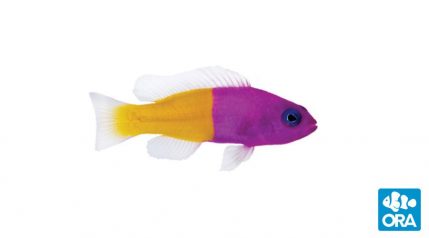
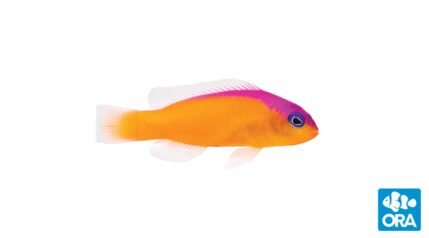
Orchid Dottyback - Pseudochromis fridmani

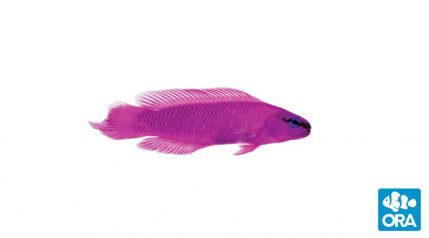
Orchid Dottybacks, sometimes called King Solomon's fish, are found only in the Red Sea. They're observed in colonies near vertical walls or ledges, where they dart out to grab a meal from the passing zooplankton, then rush back. In the sea they are found at moderate to deep depths, and look blue rather than the magenta or violet color most aquarists are used to. This is due to the filtering of red light by seawater.

In aquariums, Orchid dottybacks are quite easy to keep and feed. They are small plankton feeders so foods such as brine shrimp, krill and mysid shrimp are perfect. Orchid dottybacks are moderately territorial and more than one can be kept per tank, as long as the tank has plenty of hiding places.

The Orchid Dottyback, like other members of the family Pseudochromidae, lay eggs in a mass that are not adhered to a substrate but held together by filamentous threads. The egg mass is usually deposited in small nooks and caves and tended by the male. The eggs hatch in about 3-4 days and are larval for 28-30 days.


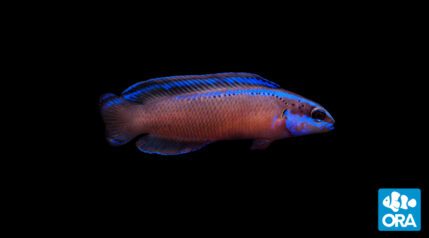
Indigo Dottyback - Pseudochromidae fridmani x Pseudochromidae sankeyi

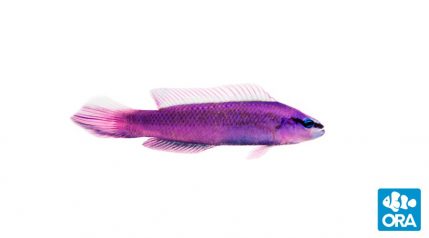
The Indigo Dottyback is a hybrid of the Orchid Dottyback and the Striped Dottyback. The combination gives this fish its distinctive, bold blue color with horizontal black stripes. Both parent species are found in the Red Sea.

The Indigo Dottyback has the mild and social nature of the Striped Dottyback and can be kept in groups. A reef tank should have plenty of rock structure in which the fish can hide. It will dart in and out of live rock during the day and become more visible at feeding time.

Provide a diet of zooplanktonic foods such as brine, mysid or krill shrimp. The maximum size of the Indigo is approximately 3 inches.


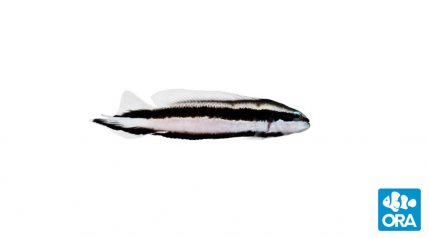
Striped Dottyback - Pseudochromis sankeyi

The Striped Dottyback is found in the Southern Red Sea and Gulf of Aden. They live in small colonies in rock rubble at relatively shallow depths. This is one of the least territorial of the dottybacks due to its lifestyle of living in colonies with other members of the species.

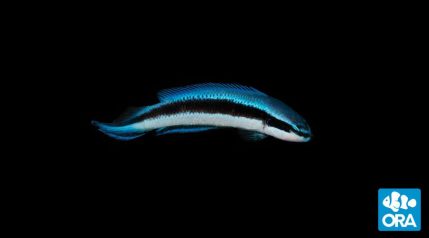
P. sankeyi have a distinct black and white striped color pattern, and may be a mimic to the Coral Catfish (Plotosus lineatus).

This is an easy species to care for in the marine aquarium, as long as it's provided good rocky hiding places and zooplanktonic foods such as brine, mysid or krill shrimp. More than one per tank is possible since they exhibit colonial behavior and normally do not fight each other. It is best to introduce all the fish together when trying to establish a colony.

Striped dottybacks will spawn about every 8-11 days and have large egg masses of up to 1,000 eggs. Typically they will hatch in 4-5 days and are larval for 24-28 days.


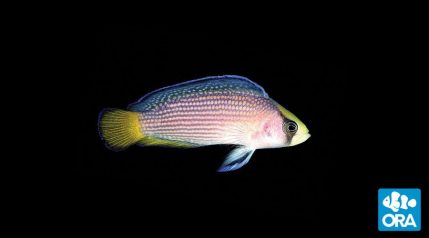
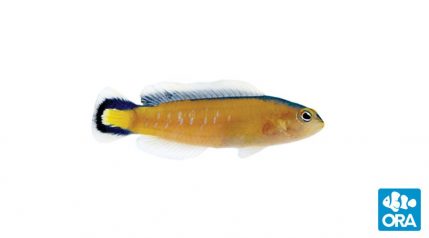
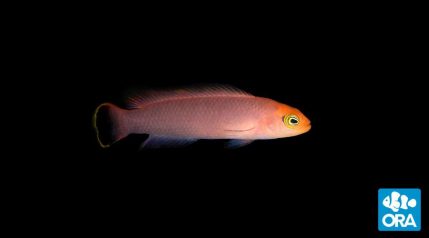
Sunrise Dottyback - Pseudochromis flavivertix

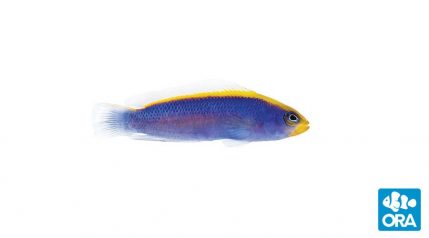
Sunrise Dottybacks are another brightly colored basslet found in the Red Sea and Gulf of Aden. They have a yellow stripe dorsally from the snout to the tail, and have a blue body with white ventral area. They are found living as solitary individuals around coral heads and rock rubble on the bottom.

Generally, they are moderately aggressive in aquariums and can be kept with gobies, blennies and other small reef tank fish. Plenty of rocky hiding places should be provided. Feeding is simple, as they will accept most frozen brine or mysis shrimp type aquarium foods.

Some aquarists report there are color differences between the male and female Sunrise Dottyback. Although there are color variations in this species, we have not linked these to sex identification.

P. flavivertix spawns every 8-10 days, eggs hatch in 4 days and are larval for 24-28 days. A single spawn may contain up to 500 eggs.


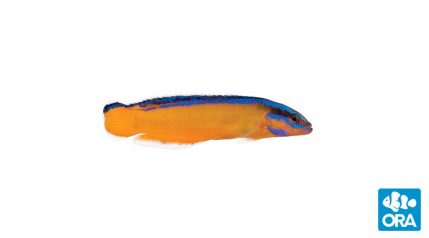
Neon Dottyback - Pseudochromis aldabraensis

Neon dottybacks are a beautiful orange color with neon blue stripes on the dorsal fin, gill cover and tail. A similar species, P. dutoiti, found along the East African coast, is almost identical with some authors claiming they are the same fish. This is a very popular reef tank species, which was commonly imported from the Persian Gulf. Now is hardly ever seen from the wild. They grow to about 3.5 inches in length, one of the larger dottybacks.

P. aldabraensis can be aggressive in community tanks with small fish and it is suggested that they are introduced as one of the last fish to the tank. They prefer rocky shelter and live alone or in pairs in caves and crevices.

Once a pair of Neon Dottybacks has spawned, under ideal conditions they will usually spawn every 10 days. The eggs hatch in 5-6 days and will remain as larval fish for about 30 days until metamorphosis.


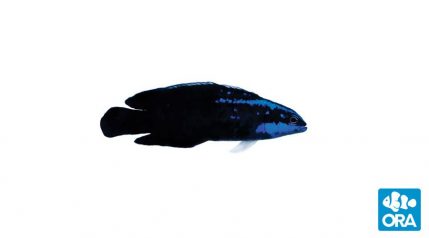
Springer's Dottyback - Pseudochromis springeri

Another beautiful dottyback from the Red Sea, Springer's Dottyback is an excellent addition to the reef aquarium. Its coloration is black with blue lines running through the head region. Springer's Dottyback it is a very active, graceful swimmer, and is a joy to watch working their way around the rocky reef.

As with other dottybacks, Springer's may be territorial and is aggressive towards members of its own species. It is suggested that they be kept one per tank, unless paired or housed in a very large aquarium. Springer's Dottyback is very hardy and easy to keep. Feeding frozen shrimp such as brine or mysid is best. Reproductive behavior is similar to the Orchid Dottyback.


OTHER DOTTYBACK SPECIES

ORA has bred a number of other dotttyback species. Some have proven to be so aggressive in aquariums that ORA ceased producing them. Others proved to be problematic in their reproductive behavior. The following is a list of dottyback species that have been cultured at ORA.

Splendid Dottyback - Manonicthys splendens
Flame Dottyback - Cypho purpurascens
Flamehead Dottyback - Pseudochromis steenei
Olive Dottyback - Pseudochromis olivaceus
Bluelined Dottyback - Pseudochromis cyanotaenia

© 2007, Harbor Branch Oceanographic Institution