[ FISH ]

CLOWNFISH - DOTTYBACKS - GOBIES & BLENNIES - CARDINALFISH - SEAHORSES - OTHERS

CLOWNFISH SPECIES AVAILABLE FROM ORA™


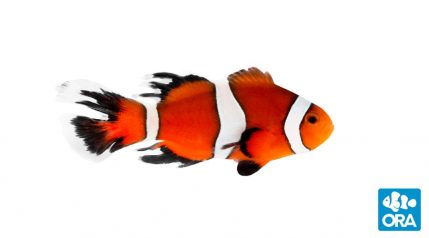
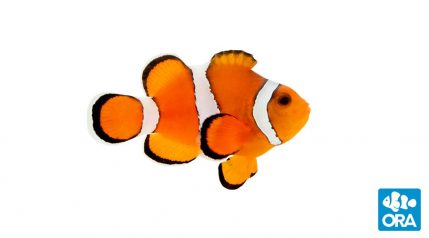
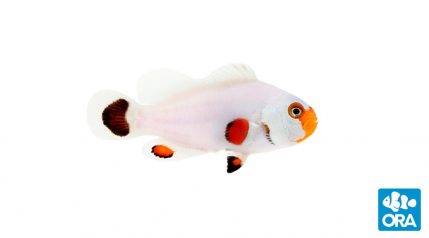
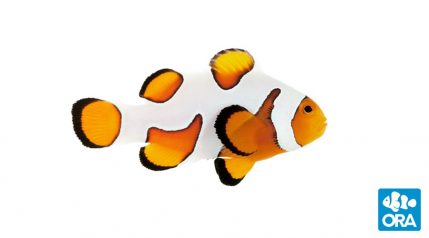
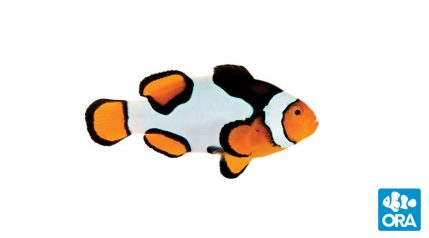
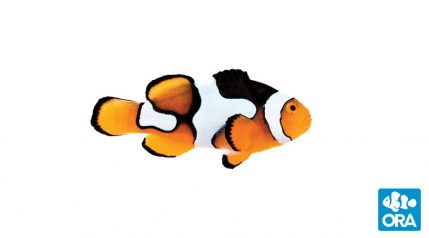
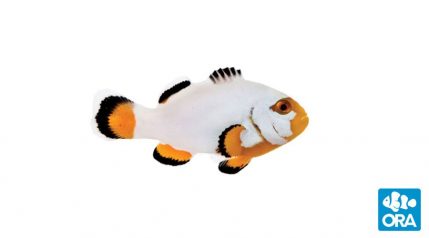
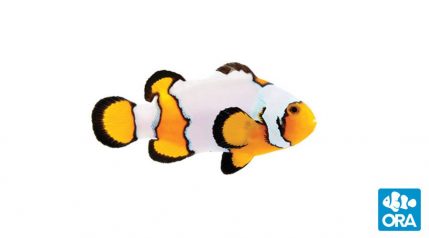
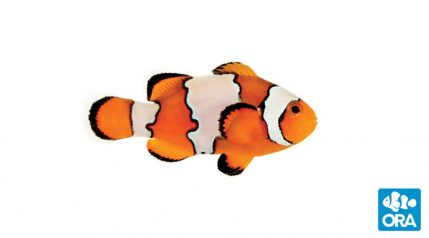
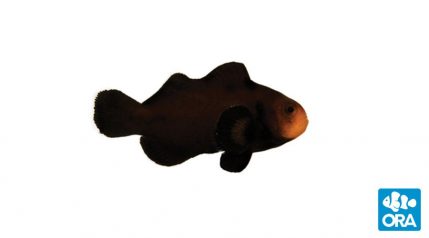
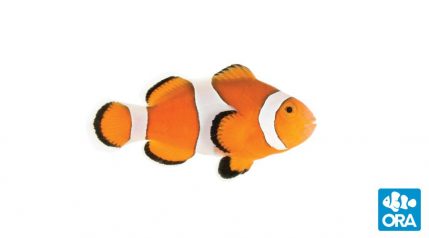
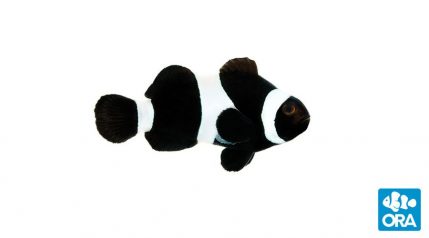
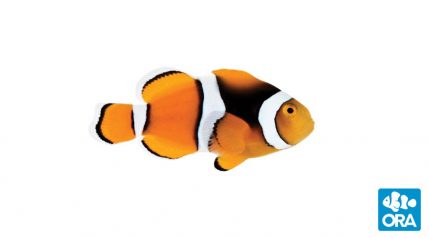
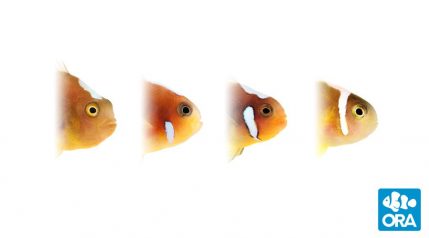
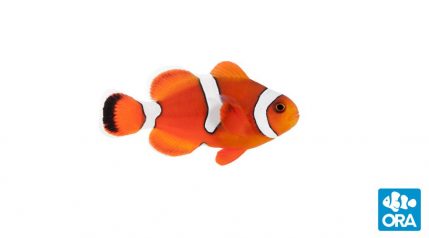
False Percula Clownfish - Amphiprion ocellaris
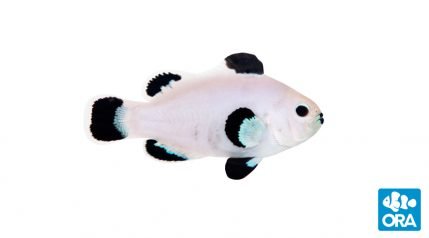
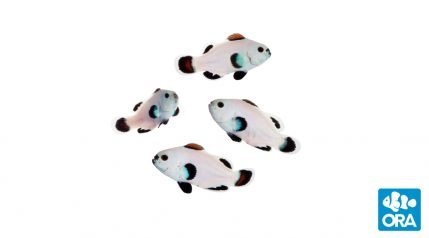
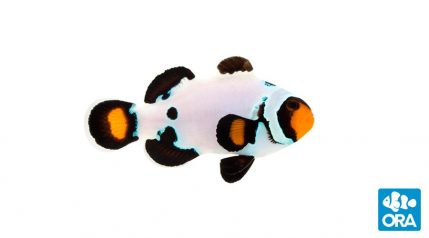
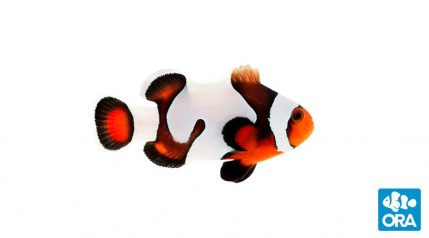
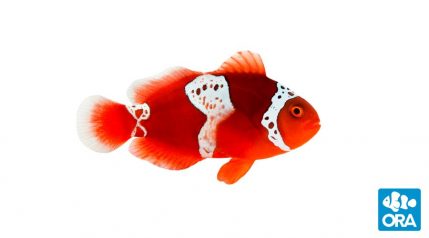
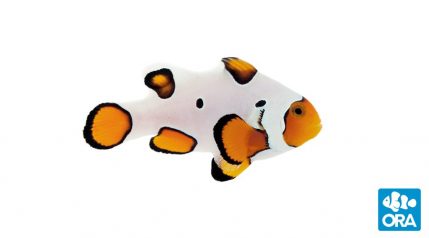
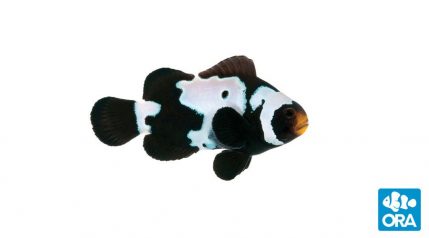
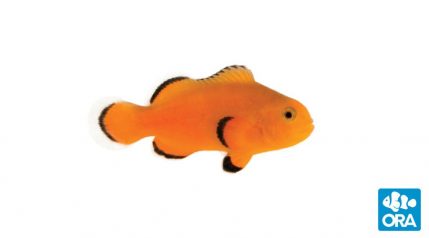
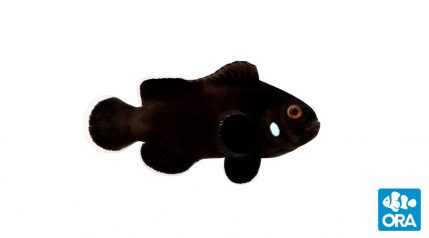
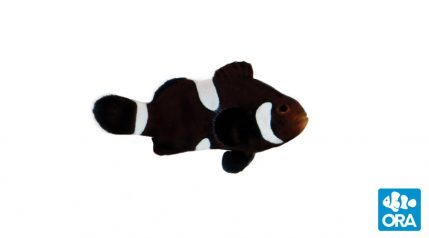
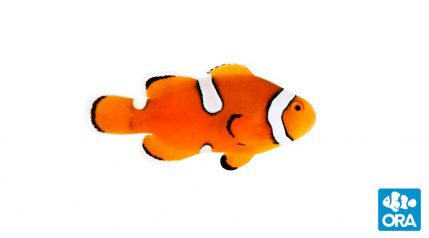
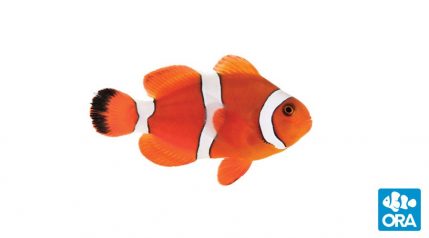
Naked False Percula Clownfish - variation of Amphiprion ocellaris
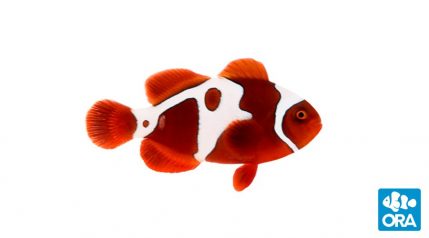
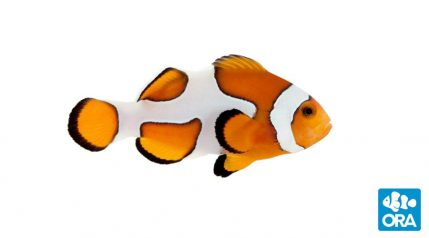
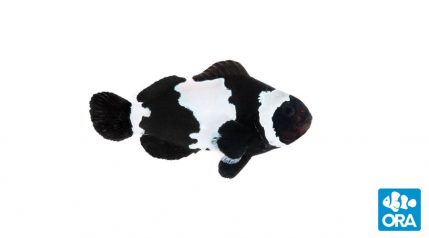
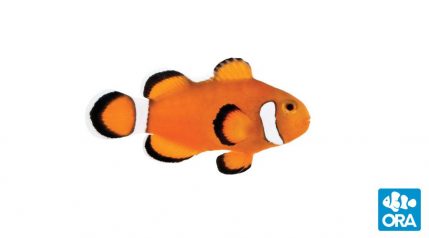
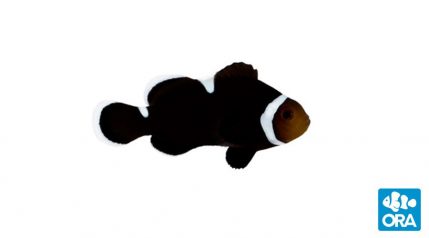
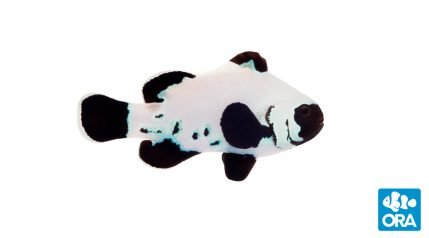
Stubby False Percula Clownfish - Short, squat body shape
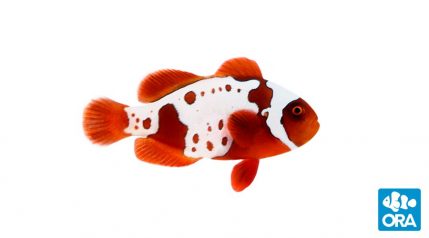
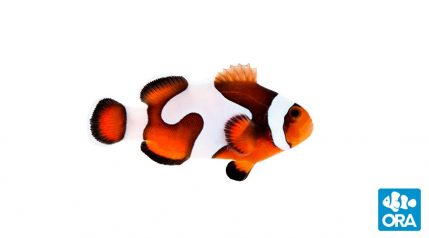
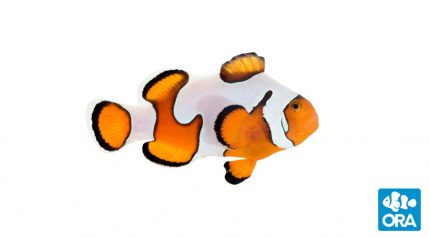
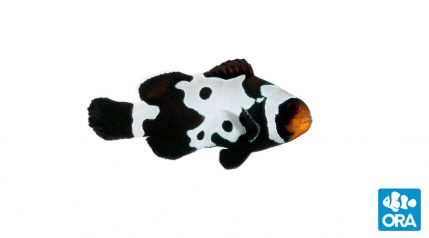
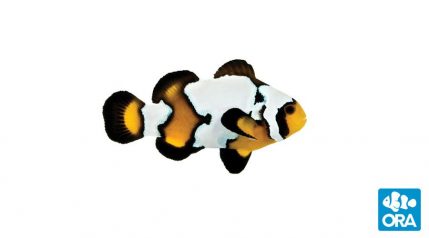
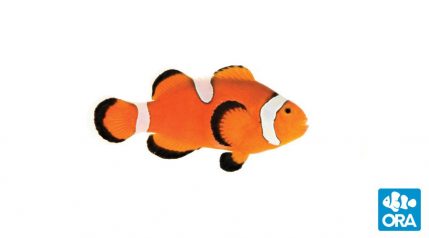
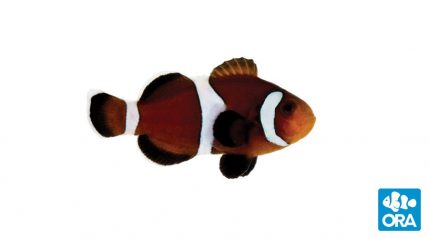
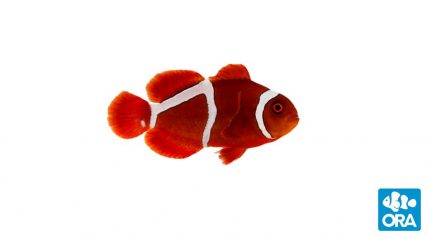
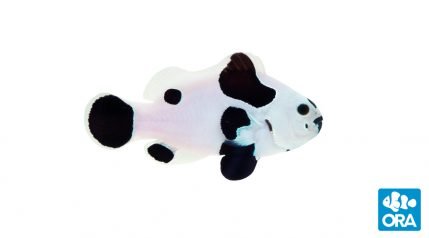
Picasso Percula Clownfish - irregular stripe patterns

The False Percula Clownfish is the most popular of the clownfish species in the marine aquarium hobby. It is called the False Percula because it is closely related to, and easily confused with, the True Percula Clownfish (A. percula) from the Indo-Pacific. First described by Cuvier in 1830, the species name ocellaris, which translates as "little eye", was given because the first type specimen showed an eyespot on the tail. It was later discovered that this was due to a chemical reaction during preservation, and the species actually has no spots.

False Percula clownfish are the one of the first marine aquarium fish to be successfully raised in captivity. They helped lead the way in the development of the commercial marine ornamental aquaculture industry. In nature A. ocellaris occurs in a wide range in the Indo -Pacific region including: Australia, the East Indies, Melanesia, the Philippines and the Ryukyus islands.

False Perculas are one of the least aggressive of the clownfish family, and usually tolerate other members of the same species in their tank. A. ocellaris are easy to maintain in aquariums, they adapt well, and will accept a wide variety of aquarium foods. They prefer the carpet anemones as host species, usually H. magnifica, S. gigantea or S. mertensii

Mated pairs of False Percula Clownfish typically spawn every 10-14 days and the eggs hatch in about 7-8 days. The female is generally the larger fish of the pair. As with some other marine fish, clownfish are protandrous hermaphrodites, meaning they exhibit sex reversal from males to females. The average nest size for A. ocellaris is about 250 eggs.

The regular size (1.5 inches) False Perculas sold by ORA™ are about 6-8 months old, the large size (over 2 inches) are about a year old.

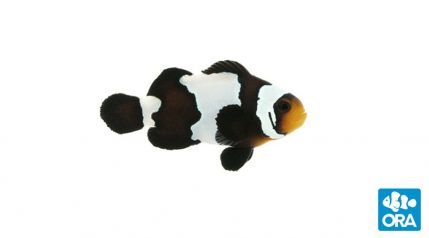
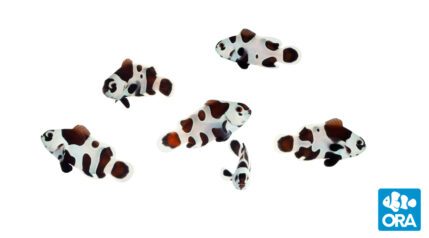
ORA™ markets hatchery certified pairs of this species, as well as a melanistic (black) variant from Australia. Sometimes abnormal traits occur in culture that look different but are otherwise healthy fish. These include "mis-bars" with unusual stripe patterns and "stubbies" that are lacking the normal number of vertebrate in the spine. ORA™ offers all of these A. ocellaris variations.


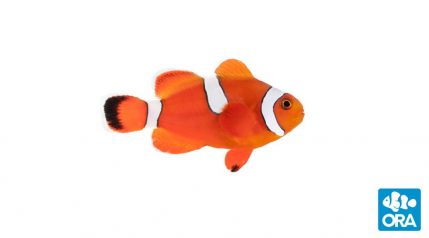
True Percula Clownfish - Amphiprion percula

The True Percula Clownfish is a close relative of the False Percula (A. ocellaris), and the two species can be easily confused. One way to distinguish the two species is that the black margin around the white stripes is thick in the True Percula, and usually very thin or absent in the False Percula. They also have a different number of spiny rays in the dorsal fin. These two species do not overlap in their natural distribution. A. percula is found only in Melanesia and Northern Australia. Older mature specimens often develop black pigmentation along their sides between the stripes.

The behavior is similar to the False Percula in the aquarium, a generally docile clownfish. The cultured True Perculas produced at ORA™ usually develop with a partial or absent tail stripe. For that reason we sell them as "mis-bars". Some customers have reported that they did develop full stripes after a time in their reef aquarium.

The True Percula can lay up to 600 eggs in a nest, but average nest size is about half that. They typically spawn only about once a month.


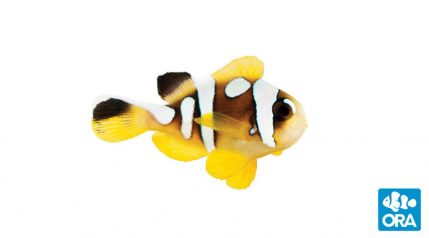
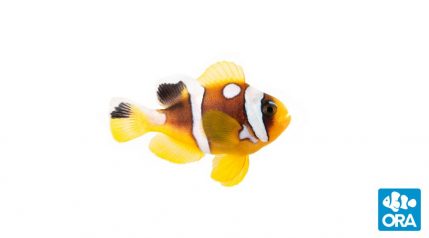
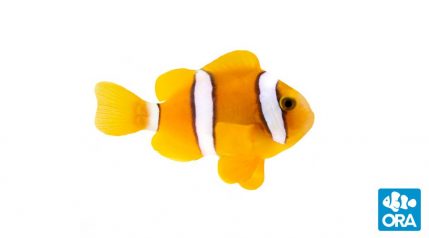
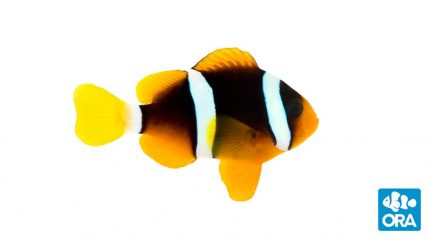
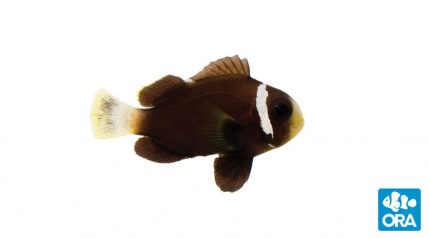
Clark's Clownfish - Amphiprion clarkii

The Clarkii Clownfish is also a highly popular aquarium species. They are sometimes sold under the name of "Sebae" clowns, which is actually the species name of a very different clownfish. Full grown Clarkii Clownfish can reach a size of about 4 inches, and are territorial when full grown. This is a species easily cared for in aquariums and will accept a wide variety of foods. Most clownfish eat some algae in nature, and this should be included in their diet.

Clarkii Clownfish are the most widely distributed anemonefish in the world, and show a large range of color variation. They occur from the Caroline Islands in the east, west to the Persian Gulf, north to Southern Japan and south to the New Hebrides.

The color grown at ORA™ is the yellow-orange variety, which is the most popular, although in most areas the color is usually dark brown with orange on the head and fins. They are one of the least restrictive species when it comes to host anemones, and will associate with Bubble-Tip. Long Tentacle and Carpet Anemones. They have been observed in captivity to associate with the Caribbean Condylactis anemone, which they would never encounter in the wild.

Clarkii Clownfish have large nests and average about 600-700 eggs in each spawn. They can spawn 2 or 3 times a month, and have a larval period of 7-9 days. The Clark's Clownfish sold at ORA™ are about 4-5 months old.

On rare occasions, Clarkii Clownfish will develop an interesting mutation in their eyes. A pale blue crescent appears in the upper part of the iris in the eye.


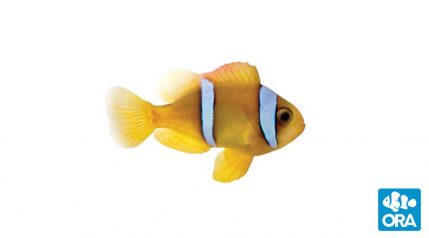
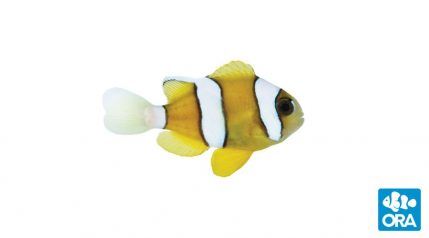
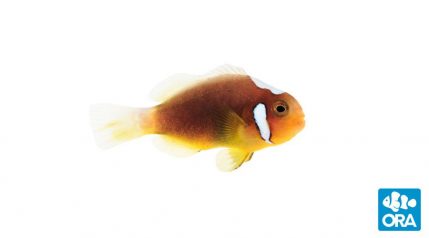
Two-Banded Clownfish - Amphiprion bicinctus

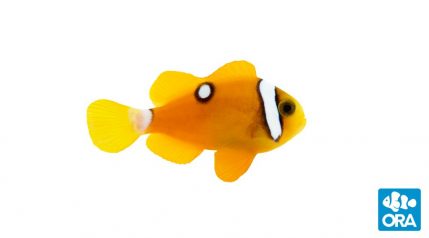
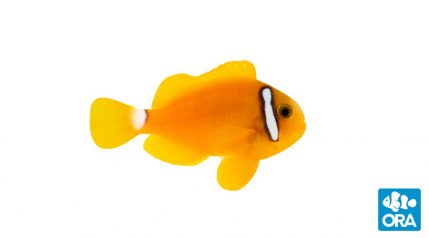
The Two-Banded Clownfish is another species of clownfish that is unique to ORA™. These fish are members of the clarkii complex. They are mustard yellow to rusty orange in color with 2 white bars located on the head and mid-body. There is no band on the base of the large lyre tail. They grow to a maximum size of around 4 inches. A. bicinctus will become territorial as they mature so more than 2 fish per tank is not recommended. These fish can live for more than 20 years in captivity.

The Two-Banded Clownfish is found in the Red Sea and is rarely seen in the aquarium trade. They will associate with Bubble-Tip, Long Tentacle, and Carpet Anemones in the home aquarium. They can lay nests in the thousands and live for more than 20 years in captivity.


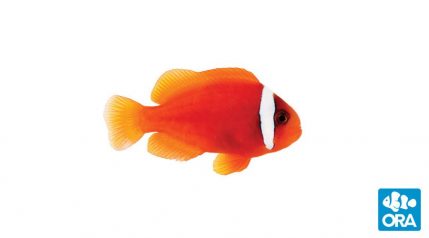
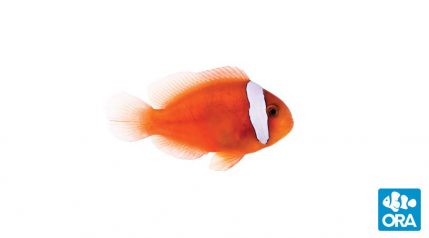
Tomato Clownfish - Amphiprion frenatus

The bright cherry red color of the Tomato Clownfish makes it an appealing fish for any marine aquarium. In nature they range throughout the South China Sea, the Philippines, as far north as Japan and west through Indonesia. A large clownfish species, the adult female Tomato Clown can reach a length of 4 inches. They can become aggressive as they get larger, and will sometimes bite the hand that services the tank. Tomato Clownfish are almost always found in association with the Bubble-Tip Anemone, Entacmaea quadricolor, although in aquariums they have been observed to accept the Long Tentacle Anemone, Macrodactyla doreensis and the Sebae Anemone Heteractis malu.

Tomato Clownfish pairs will typically spawn about every 10-14 days and the eggs hatch 7-8 days later. The average nest size is about 400 eggs. The larval period is short, about 9 days, and the juveniles exhibit a mid-body stripe that will disappear as they age. ORA™ Tomato clownfish are about 6-7 months old when shipped.


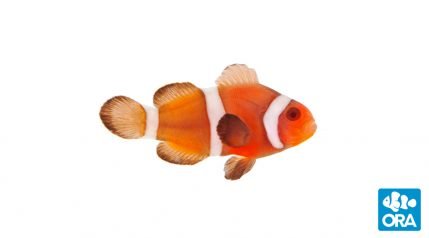
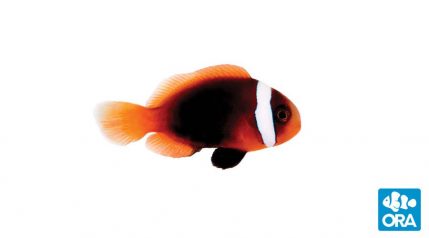
Coral Sea Clownfish - Amphiprion melanopus (New Caledonia var.)

The Coral Sea Clownfish is a variation of the Cinnamon Clownfish that occurs in New Caledonia. They differ in coloration, with a black saddle on a red body, yellow or orange dorsal, ventral and caudal fins and a blue head stripe. In juveniles the head stripe is white. As adults they are one of the most multi-colored clownfish. Cinnamon Clownfish from other areas of the Pacific generally are only red and black, with white or blue head stripes

They are similar in behavior and reproduction to the Tomato Clownfish (A. frenatus), and the females can grow up to 3.5 inches. As adults they may demonstrate the aggressiveness found in any of the larger clownfish species. The nest sizes average about 250 eggs and larval periods are similar to the Tomato Clownfish.


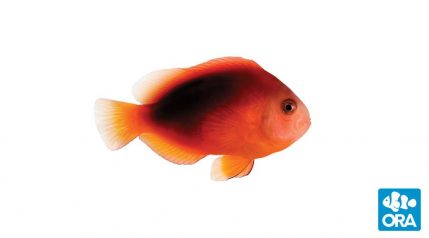
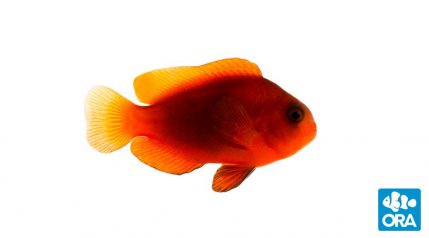
Fire Clownfish - Amphiprion ephippium

The Fire Clownfish is another member of the tomato complex. Although juveniles have white lines on their heads, the adults completely lack a head bar. As they mature these fish develop a dark patch on each side of the body.

Fire Clowns are bold fish that rarely tolerate others invading their home territory or anemone. They are extremely hardy and reach a maximum size of around 4 inches when full grown.

This species is found in the Indian Ocean and will readily host with anemones such as the bubble-tip and long tentacle. Their nest size can range from 300 - 500 eggs.


Australian Clownfish - Amphiprion rubrocinctus

The Australian Clownfish is a member of the tomato complex, exhibiting a similar size, shape, and temperament as the Tomato Clownfish (A. frenatus) and the Coral Sea Clownfish, (A. melanopus). The Australian clownfish is aquacultured exclusively at ORA™.

The body is a bright orange color and the large white bar on the head lacks the black outline seen around the head bars of Tomato and Coral Sea Clownfishes. Nest sizes of 500 or more are commonly seen in this species.

This species is in limited production at ORA™.


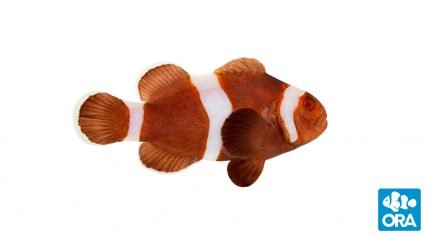
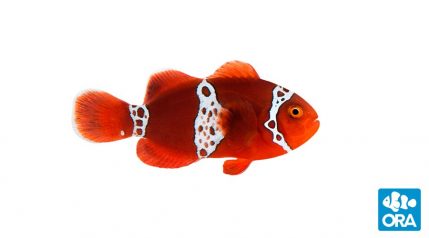
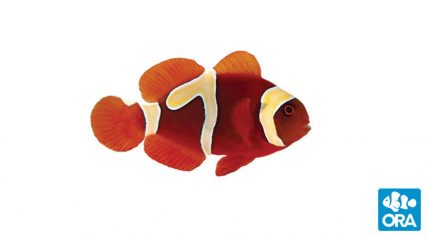
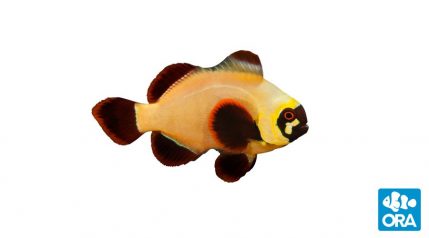
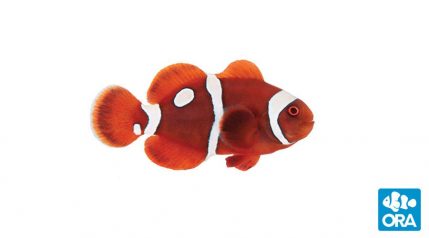
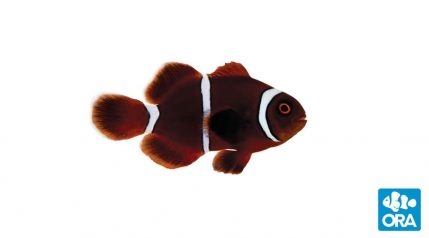
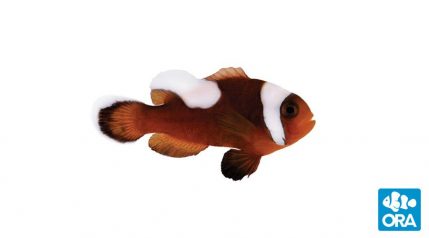
Gold-Stripe Maroon Clownfish - Premnas biaculeatus

All of the Maroon Clownfish bred at ORA™ are of the Gold-stripe variety. Normally, Maroon Clownfish vary in color from bright red to dark maroon with three narrow white stripes. The fish found in the area of Sumatra have gold color stripes, and the ORA™ broodstock are from this area. The gold color of the stripes sometimes will not develop until the fish are about 9-12 months old. ORA™ fish are shipped at about 6-7 months, so they are showing the juvenile white stripes. They all will develop the gold color in time, starting at the head stripe.

These very popular fish are easy to keep in aquariums, although they do not get along with each other. Unless a hobbyist can get a mated pair, it is best to keep them one to a tank. It has been observed that the gold-stripe variety seem a little less aggressive that the white banded type. One of the largest clownfish species, adult females can attain a size of over 6 inches. In nature they are found in association with the Bubble-tip anemone ( E. quadricolor).

With the aggressive female guarding her nest, and her much smaller male mate fanning the eggs, Maroon Clowns have some of the largest spawns ever recorded for clownfish. A typical spawn may contain 1,500 eggs, and spawns of over 6,000 have been observed. This species also seems the most likely to show mis-bars, and has a higher percentage of incomplete striping than other species.


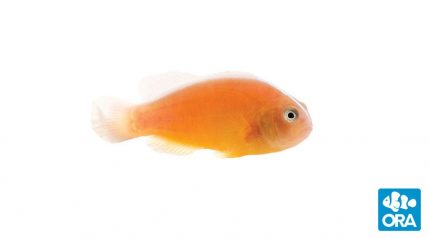
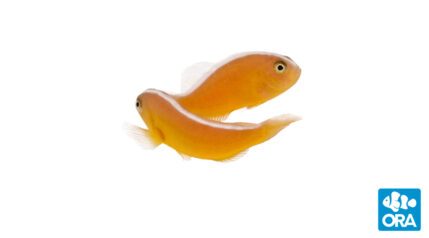
Orange Skunk Clownfish - Amphiprion sandaracinos

The Orange Skunk Clownfish is one of five species in the "skunk" clownfish complex. The Orange Skunk has a mid-dorsal white stripe, and no other head or body stripes. It is easily distinguished from the Pink Skunk Clown (A.periderion) that has stripes on the side of the head, and a loosely related species A. akallopisos that has a white tail. The tail on A. sandaracinos is orange.

A. sandaracinos makes an ideal reef tank fish because it does not grow large, it is not aggressive, and pairs easily. They are hardy in aquariums, but tend to be bothered by aggressive tank mates. These Clownfish are highly sought by aquarists because of their unique yellow-orange color, broad white dorsal stripe, and relative rarity in the trade. Since ORA™ has cultured this species it is much more attainable by hobbyists.

Orange Skunks range is from the Eastern Indian Ocean, Western Australia, the Philippines and Melanesia. Host Anemones include the Purple Long Tentacle anemone (H.crispa) and the carpet anemone( S. mertensii)

Skunk clowns will spawn about every 10 days; the eggs hatch in about 7-9 days and the larval period is 8-10 days. The average nest size is 300 eggs.


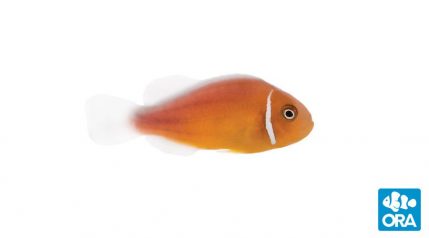
Pink Skunk Clownfish - Amphiprion periderion

The Pink Skunk Clownfish is the other member of the "skunk" clownfish complex raised at ORA™. The pink skunk has narrow bars on the sides of its head resembling side burns. They are a pinkish yellow or apricot colored fish that reaches a maximum size of 3 - 4 inches. They are a peaceful clownfish that can be easily kept in community or reef tanks.

The Pink Skunk Clownfish ranges from Fiji and the Indo-Pacific to the Coral Sea. They will readily host with anemones such as Purple Long Tentacle anemones (H. crispa) and the carpet anemones (S. mertensii).

Breeding Pink Skunks is particularly challenging since mated pairs can take up to 5 years before spawning for the first time. The nests can have anywhere from 800 - 1500 eggs. Post-metamorphic juveniles will exhibit strong schooling or "balling" behaviors that will continue into adulthood.


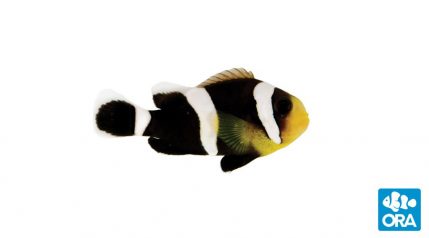
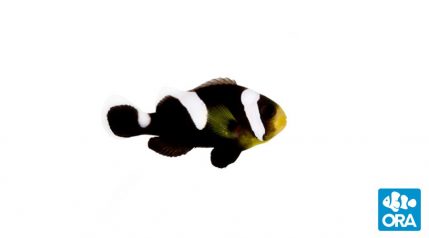
Saddleback Clownfish - Amphiprion polymnus

A. polymnus is a unique species of clownfish to be bred at the ORA™ Hatchery. The clownfish of this species grow only a partial center stripe, which is saddle shaped, hence the name saddleback. There is a black color variant of this species that has a full center band, making it similar in appearance to the A. sebae species. This species ranges throughout the Indo-Malayan Archipelago, and is reported from northern Australia.

Traditionally a difficult species to maintain, wild caught specimens may need months of acclimation before they settle down to aquarium life. The ORA™ cultured A. polymnus are hardy in aquariums. They have an unusual "bobbing up and down" swimming motion, which is quite distinctive. Once established, they accept a wide variety of foods. Saddleback clownfish prefer to host with the Purple Long Tentacle (H.crispa) and Carpet (S. haddoni) anemones.

The Saddleback Clownfish nest averages about 500 eggs, and they can spawn twice a month.


OTHER CLOWNFISH SPECIES

Of the 28 recognized species of Clownfish in the world, ORA™ has successfully bred 17 of them. Some of these species are no longer in production at ORA™, others are available on a limited basis. The following list contains the species we have bred and their current production status at ORA™.

Skunk Clownfish - A. akallopisos - not available
Barrier Reef Clownfish - A. akindynos - not available
Blue-stripe Clownfish - A.chrysopterus - not available
Rose Skunk Clownfish - A. nigripes - not available
Three Band Clownfish - A. tricinctus - limited production

ORA™ is continuing to work on breeding other clownfish species for the marine aquarium hobby. Our list will be updated as they become available.


RECOMMENDED READING

Conditioning, Spawning and Rearing of Fish with Emphasis on Marine Clownfish
By Frank H. Hoff

Anemone Fishes and their Host Sea Anemones
by Daphne G. Fautin and Gerald R. Allen

Clownfishes - A Guide to their Captive Care, Breeding and Natural History
by Joyce D. Wilkerson

© 2009, Oceans, Reefs & Aquariums Inc.