
ORA Clownfish
ORA Clownfish
ORA Clownfish
ORA Clownfish
ORA Clownfish
ORA Clownfish
ORA Clownfish
ORA Clownfish
ORA Clownfish
ORA Clownfish
ORA Clownfish
ORA Clownfish
ORA Clownfish
ORA Clownfish
ORA Clownfish
ORA Clownfish
ORA Clownfish
ORA Clownfish
ORA Clownfish
ORA Clownfish
ORA Clownfish
ORA Clownfish
ORA Clownfish
ORA Clownfish
ORA Clownfish
ORA Clownfish
ORA Clownfish
ORA Clownfish
ORA Clownfish
ORA Clownfish
ORA Clownfish
ORA Clownfish
ORA Clownfish
ORA Clownfish
ORA Clownfish
ORA Clownfish
ORA Clownfish
ORA Clownfish
ORA Clownfish
ORA Clownfish
ORA Clownfish
ORA Clownfish
ORA Clownfish
ORA Clownfish
ORA Clownfish
ORA Clownfish
ORA Clownfish
ORA Clownfish
ORA Clownfish
ORA Clownfish
ORA Clownfish
ORA Clownfish
ORA Clownfish
ORA Clownfish
ORA Clownfish
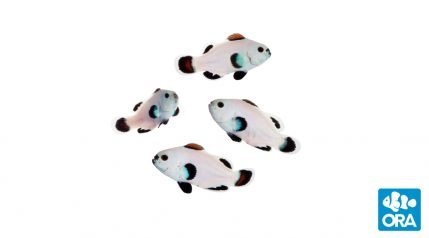
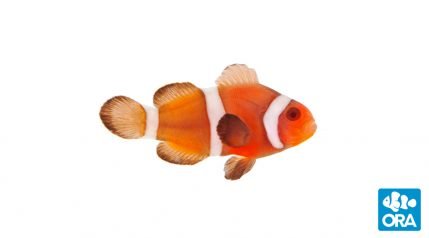
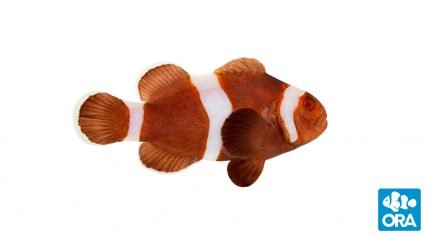
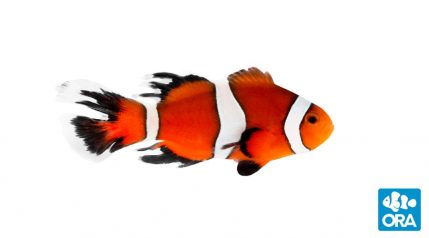
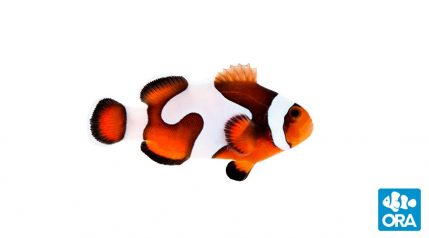
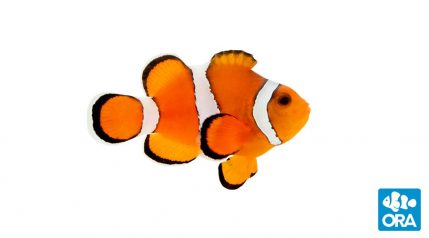
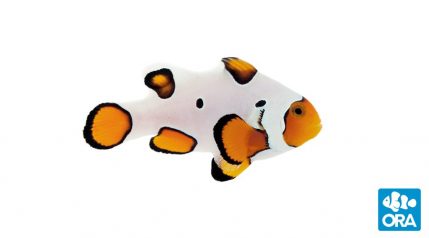
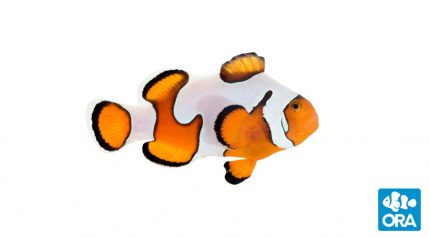
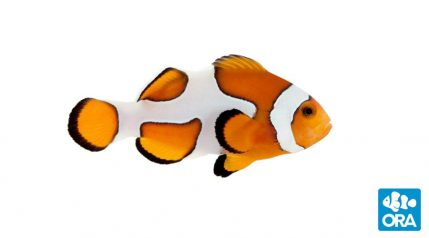
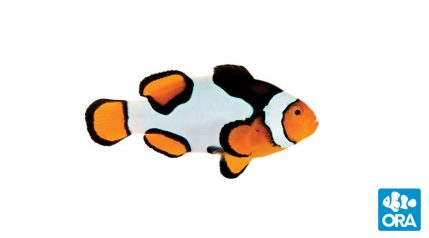
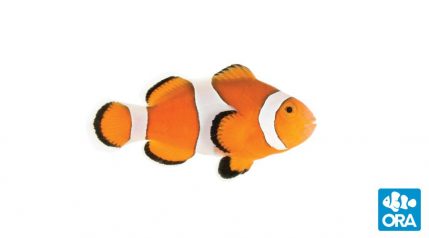
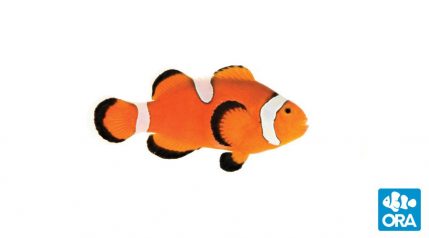
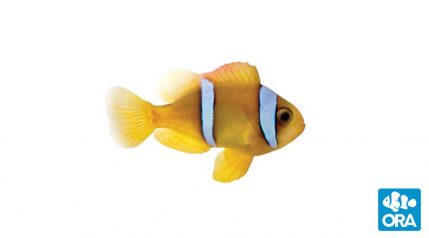
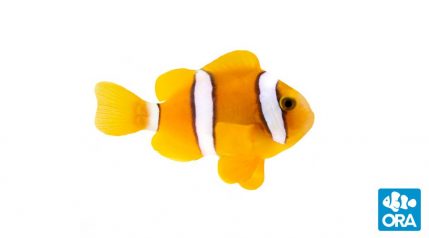
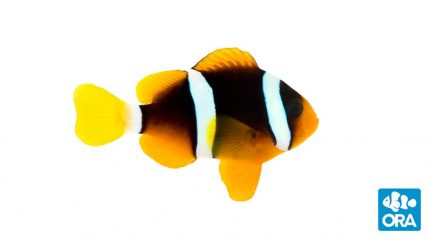
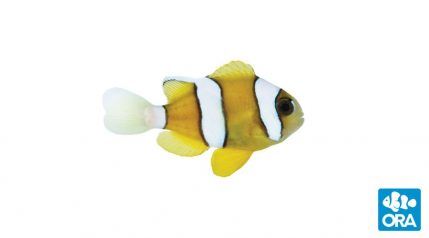
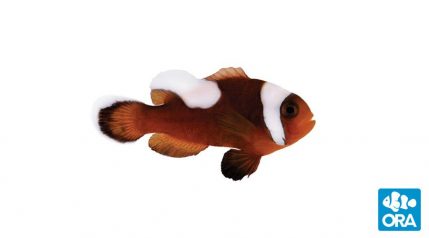
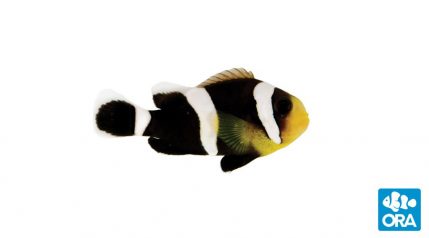
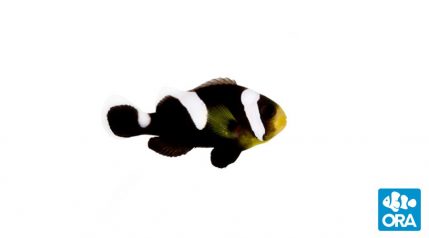
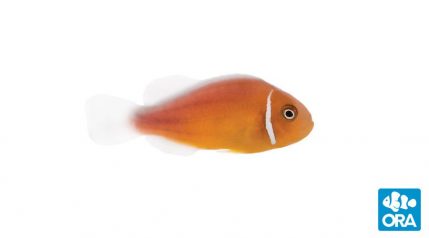
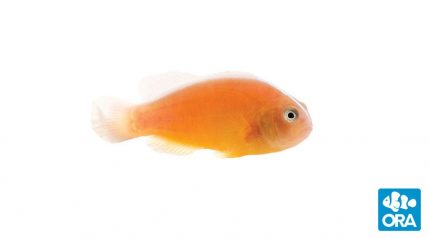
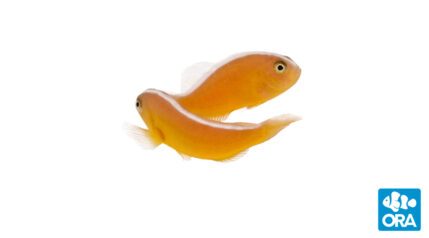
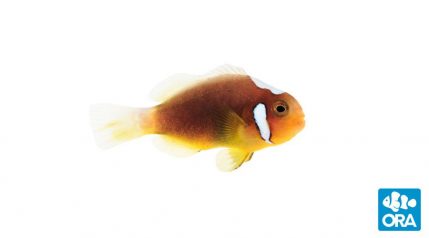
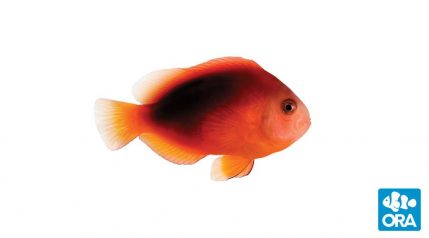
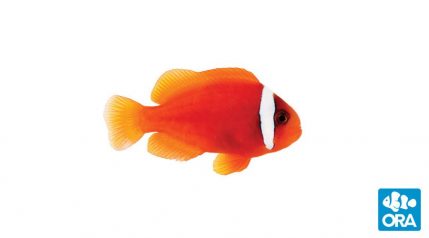
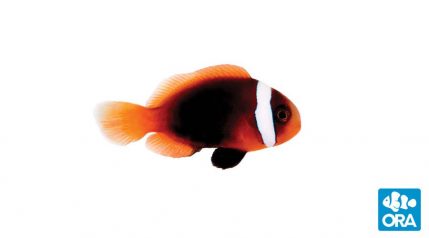
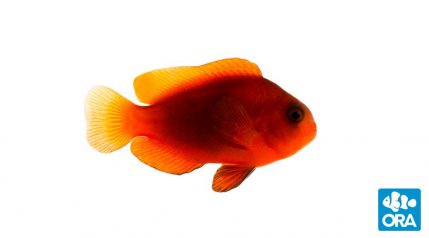
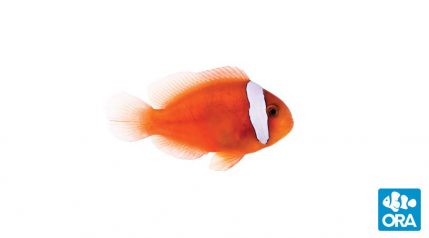
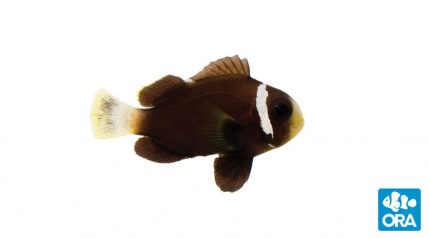
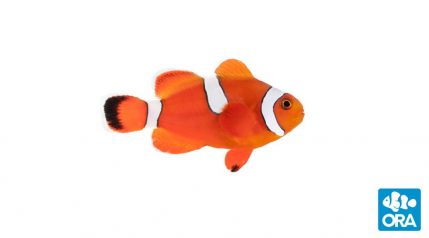
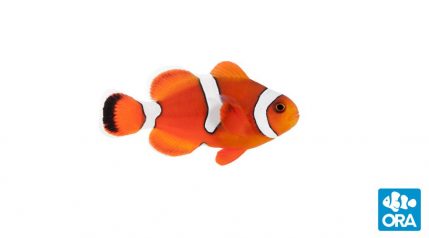
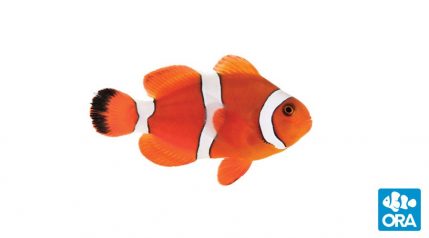
Clownfish were the first popular saltwater aquarium species to be aquacultured. Aquarists and aquaculture biologists have bred them for over 40 years. Captive-bred clownfish are indistinguishable in behavior and morphology from clownfish found in nature. ORA has taken clownfish culture to the highest level, producing the largest, most colorful and healthiest fish ever grown.
One popular misconception about cultured clownfish is that they will not symbiotically associate with anemones like their wild counterparts. This is not true, as demonstrated by the many professional and amateur aquarists who have observed cultured clownfish associate with host anemones in aquariums. In fact, some tank-bred fish are observed to associate with unusual hosts such as large-polyp stony corals and corallimorpharians.
ORA clownfish are raised on common aquarium foods, and therfore, they are well adapted to aquarium diets. They will eat frozen brine shrimp, mysid shrimp, and many other commonly available commercial frozen foods. They will also accept dry foods such as pellets, flakes, freeze-dried or granulated foods. Most Clownfish eat algae, which consists of about one third of their diet. Foods containing algae, such as spirulina or other natural algae products are a good addition. ORA Clownfish are fed a granulated high-protein fish feed as well as some frozen foods.
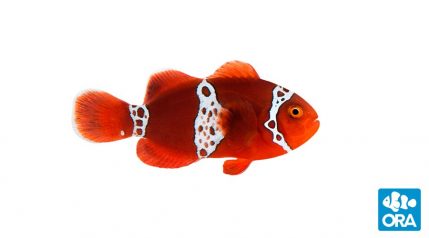
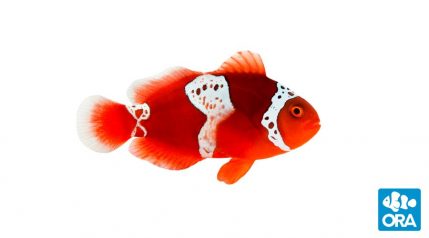
By nature clownfish are territorial and mate for life. They defend their territory by aggressively chasing away other fish species. This is also true with aquacultured clownfish. In aquariums this territoriality may lead to aggression towards tankmates and especially towards members of their own species. Some species such as the False Percula are very peaceful and tolerant, while others such as Gold Stripe Maroon Clownfish (Premnas biaculeatus) normally will not tolerate conspecifics (unless paired). Species that grow large, such as Clarkii, Gold Stripe Maroon and Tomato Clownfish, should be housed in larger tanks, and have tank-mates at least their size or larger.
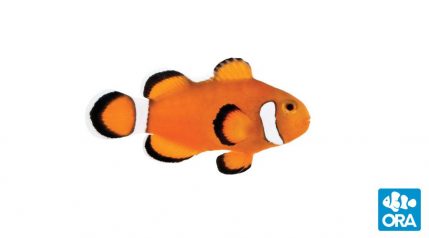
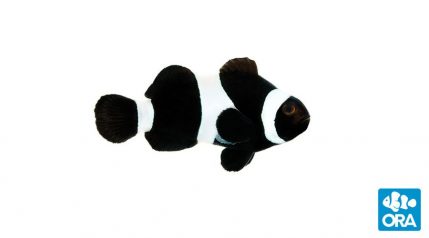
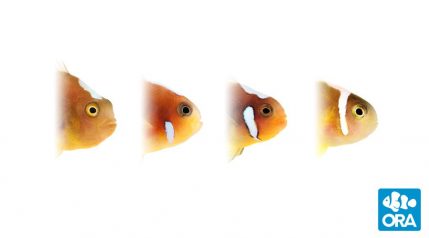
A nest of clownfish eggs in nature may have only a few survivors into adulthood, while farm-raised spawns generally have higher survival rates. This leads to a more diverse group of juveniles and consequently more variations are observed in tank-raised fish.
Wild-caught clownfish historically have higher than average mortality after transport due to a number of reasons. These include use of drugs during capture (Cyanide), bacterial infection and often an infestation by the single-cell parasite Brooklynella hostilis. Purchasing captive-bred fish can avoid these problems and most reliable dealers will sell only tank-raised clownfish, knowing their customers will benefit.
Cultured clownfish have normal immune systems and potentially are susceptible to the same parasites and disease as wild caught fish. They can be medicated as any other fish for the particular problem. They are copper tolerant for treatment of protozoan parasites.