[ ALGAE ]

ORA cultures several species of Macroalgae at our Ft. Pierce facility. They are grown outdoors in open water systems. An air-generated method of tumbling the algae in large vats is employed to culture them. They are not connected to any system containing fish so as to avoid possible parasite contamination.

There are multiple uses for macroalgaees in marine aquariums. The most common use is for feeding purposes. Herbivorous fish, such as Tangs, love to eat fresh algae. It contains the natural nutrition to help prevent Head and Lateral Line Erosion (HLLE), a common long-term care problem with Angelfish and Tangs. It is also know to contain Beta-carotine, an immune system stimulator.

Another use is in reef tank refugiums and algae scrubbers. Here the algae absorbs excess nutrients, such as nitrates and phosphates, in the tank and produces oxygen. It also helps support numbers of small shrimp and other microfauna providing biodiversity. Finally macroalgaes can be used simply as an ornamental algae in a reef tank to add beauty and diversity to the reef structure.

MACROALGAE SPECIES AVAILABLE FROM ORA


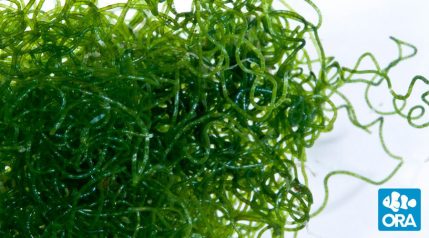
Green Gracillaria - Gracillaria sp.
Gracillariia ( pronounced grass-a-lare-e-ah) is a tropical marine macroalgae with a bush-like growth pattern. The green variety is excellent for algae scrubbers and decor.


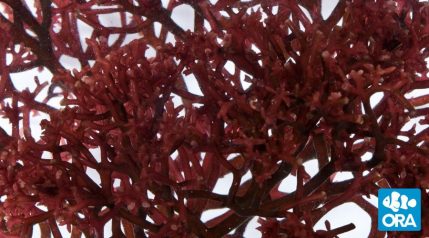
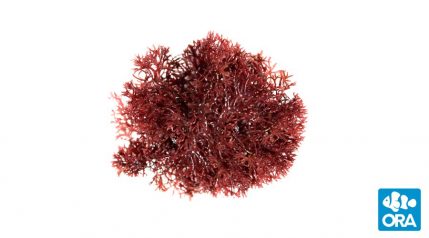
Red Gracillaria - Gracillaria sp.
Red Gracillaria is a favorite food for many grazers. Attach it with a lettuce clip to the aquarium wall and watch the feeding frenzy.


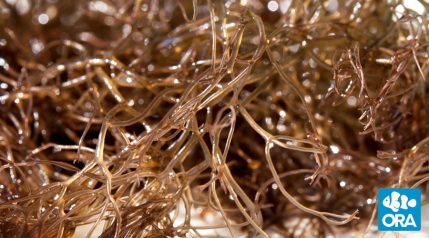
Brown Gracillaria - Gracillaria sp.
Brown Gracillaria is also a favorite tang food.                                                                                                                                                  


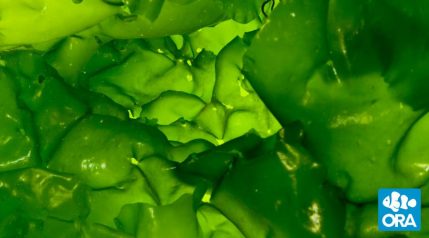
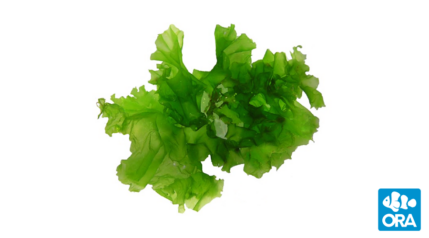
Sea Lettuce - Ulva lactuca
Sea Lettuce is composed of large sheets of green Algae. A clip is recommended to hold it in place while the fish feed.


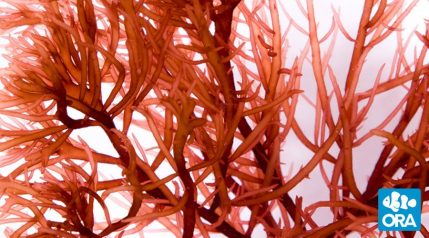
Agar Seaweed - Agardheilla sp.
Agar grows in a very similar bushy pattern to Gracillaria. It is close in appearance to Red Gracillaria, except the branches are somewhat translucent and rubbery. Fish love it as food. This is the algae from which agar is derived for bacterial culturing.

© 2007, Harbor Branch Oceanographic Institution